Nikita Matasov: ‘Science communication matters because it ignites a spark in people’
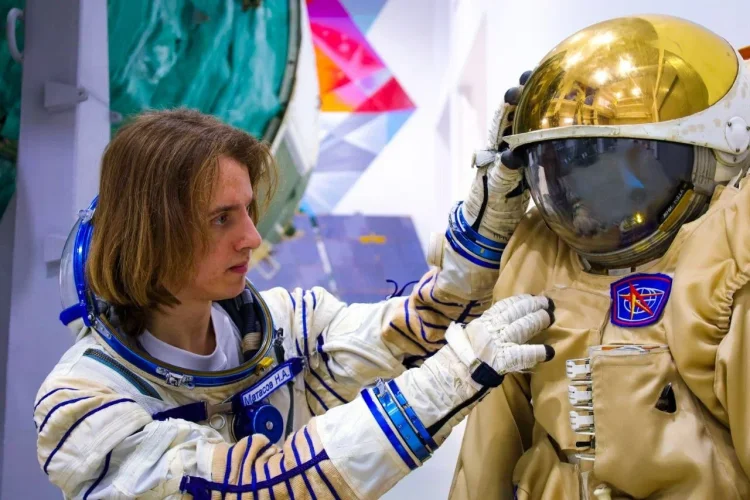
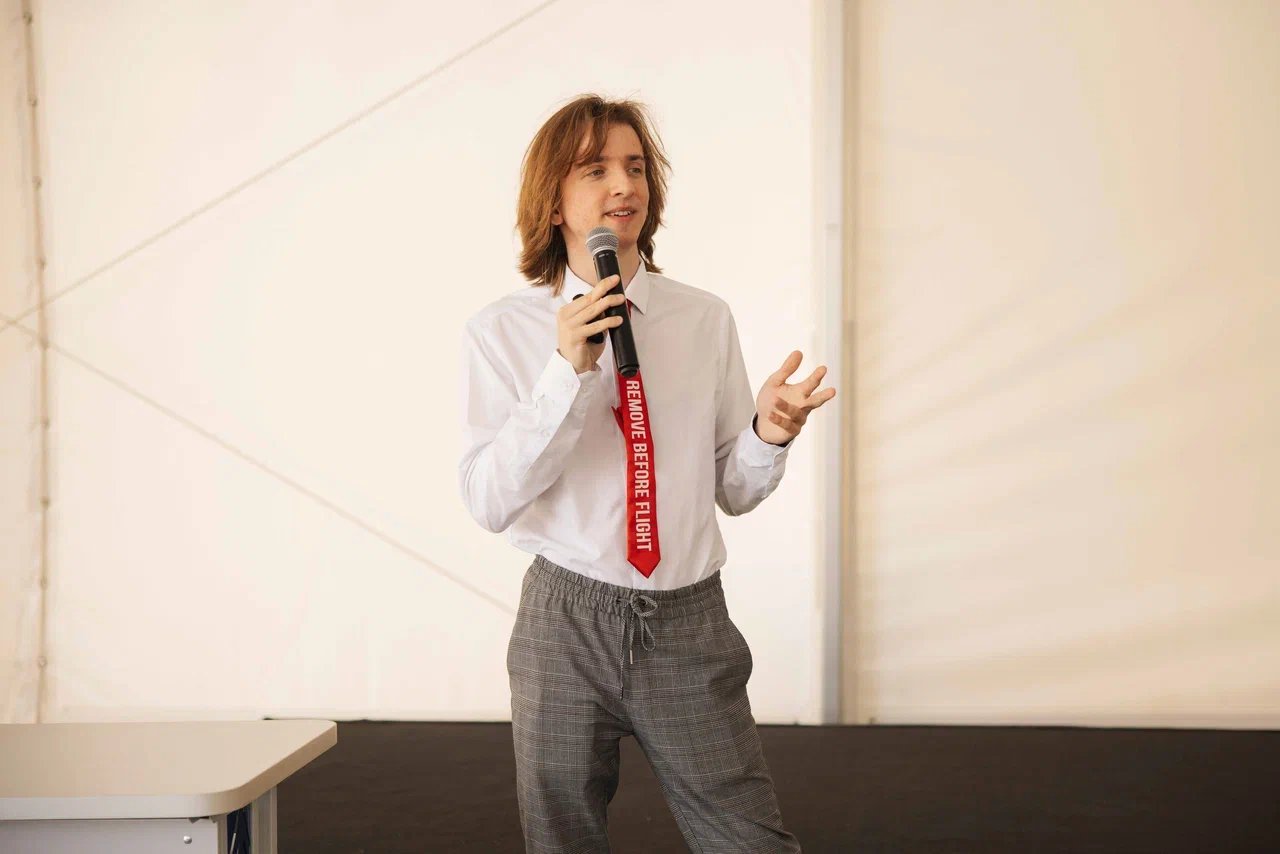
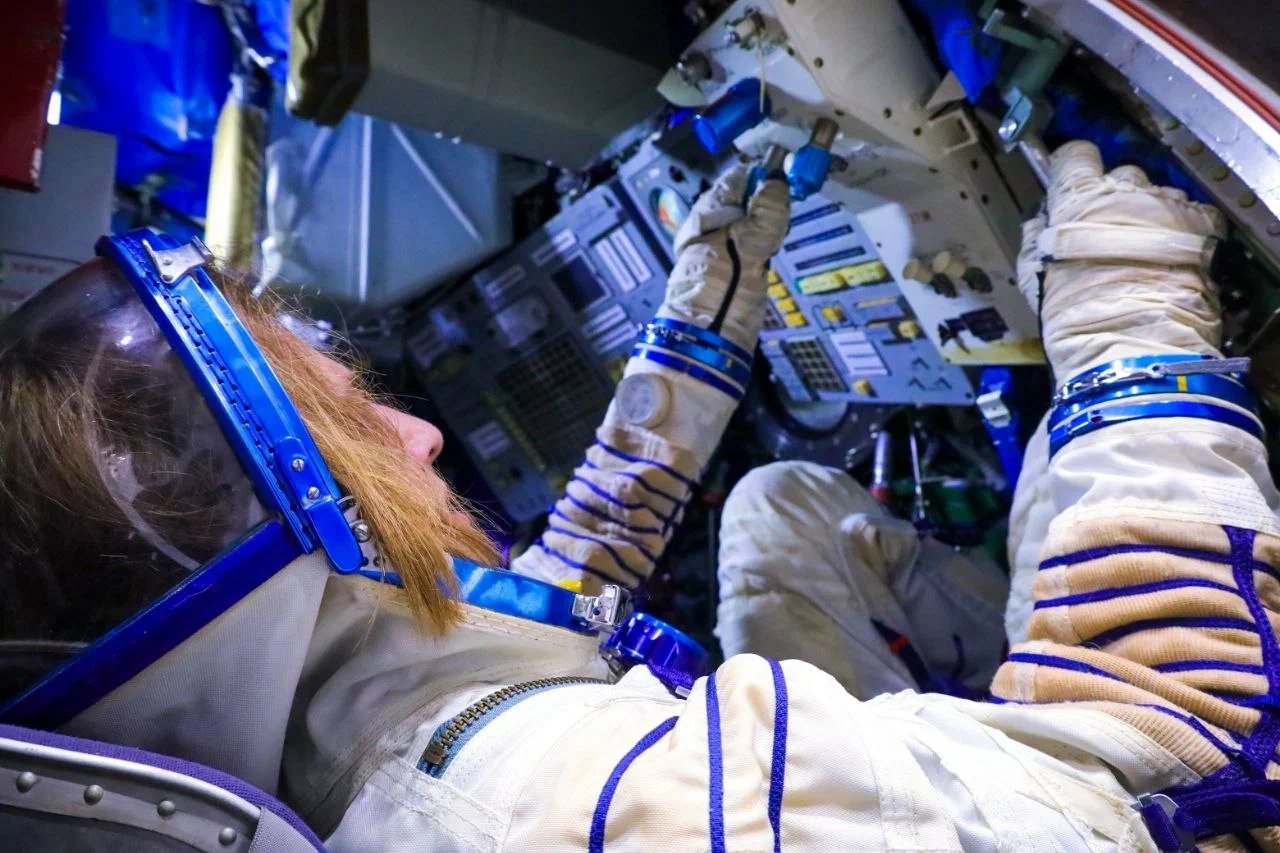
Nikita Matasov is an aerospace engineer, a PhD student at the Moscow Aviation Institute (MAI), a participant in MAI’s Cosmonaut Training Centre programme, and a Forbes 30 Under 30 honouree. Born in Kostroma, he caught the space bug at the age of 12. By his final years at school, he had realised that he could not study aerospace engineering in his home city, so he set out on what he calls his ‘journey to the stars’.
How did you get involved in science communication? Why did you choose space as your subject?
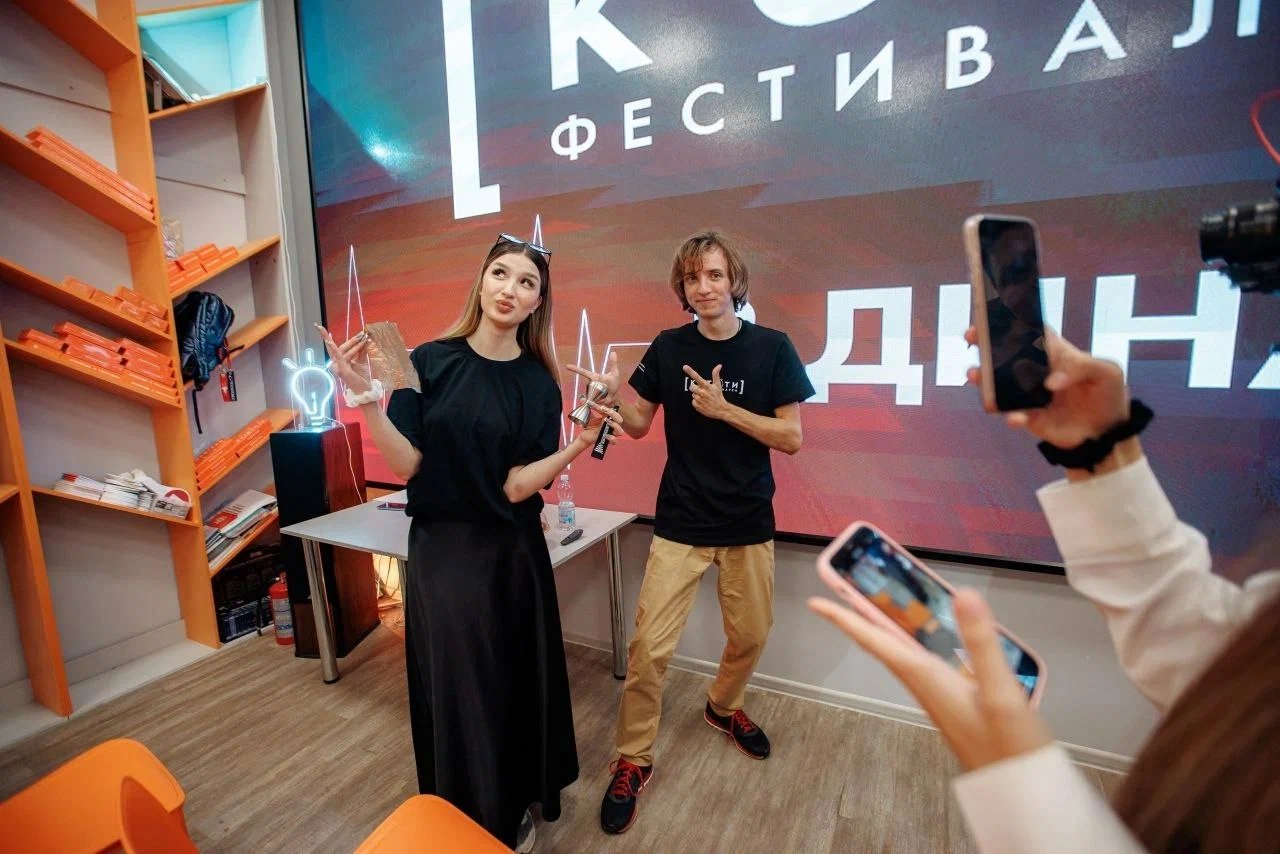
I came to science communication quite naturally, through a desire to share what inspires me. Besides, preparing talks and developing new topics make you immerse yourself so deeply in the subject that you grow enormously as a professional. It began with small talks at universities and schools, followed by collaboration with the Russian Znanie Society, Rosatom State Corporation (Information Centres on Atomic Energy, ICAE), Roscosmos and, of course, ANO Energy of the Future.
I chose space because it is more than just technology — it is a philosophy and our future. Science communication matters because it ignites a spark in people: one inspired school pupil may, 10 or 15 years from now, create technologies that change the world. It is a long-term investment in the future of both humanity and our country.
Young people and school pupils are always a challenging audience: they are used to short, eye-catching formats. What interests them most, and what techniques do you use to hold their attention?
School pupils and young people primarily want clear answers to ‘how’ and ‘why exactly’: how does a rocket work, can we live on Mars, what does a cosmonaut eat, and how can someone become a cosmonaut today? They are drawn to visuals, real stories, failures and triumphs, and links between space and everyday life.
I remember sitting at my school desk, back when the culture of science communication was only just being revived, and how boring it was to listen to guest experts deliver monotonous lectures on subjects that ought to have been fascinating.
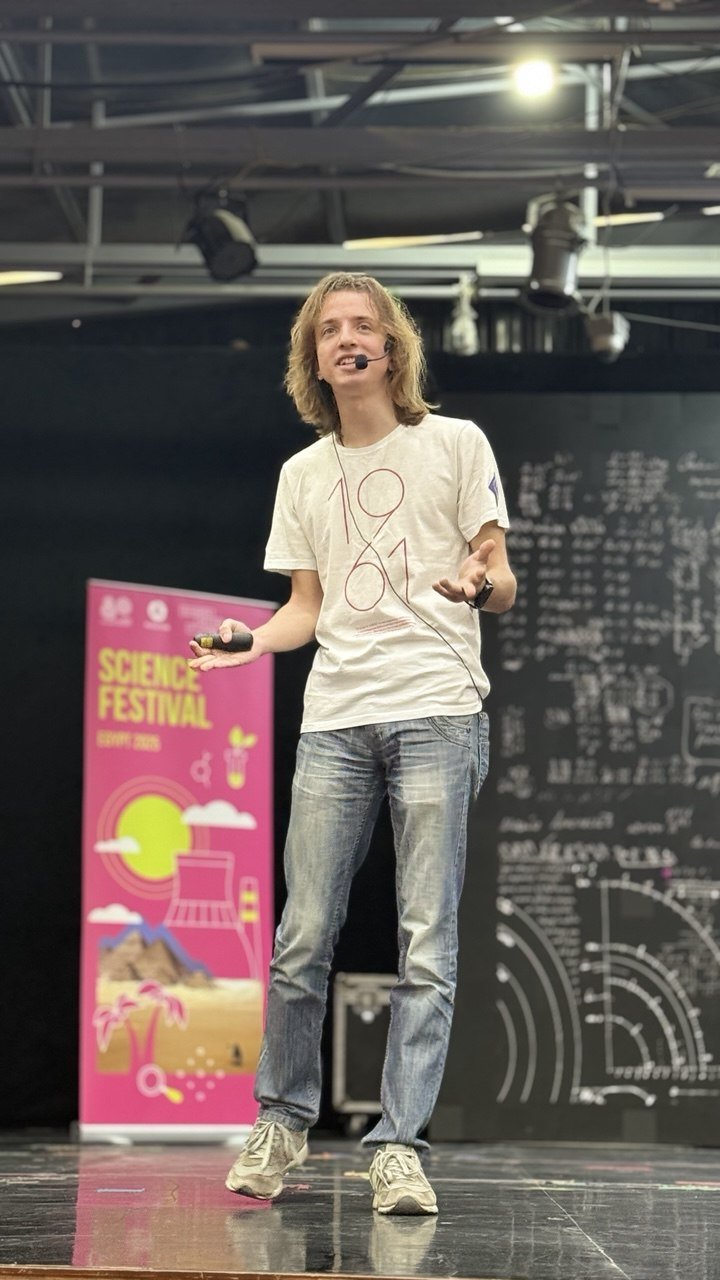
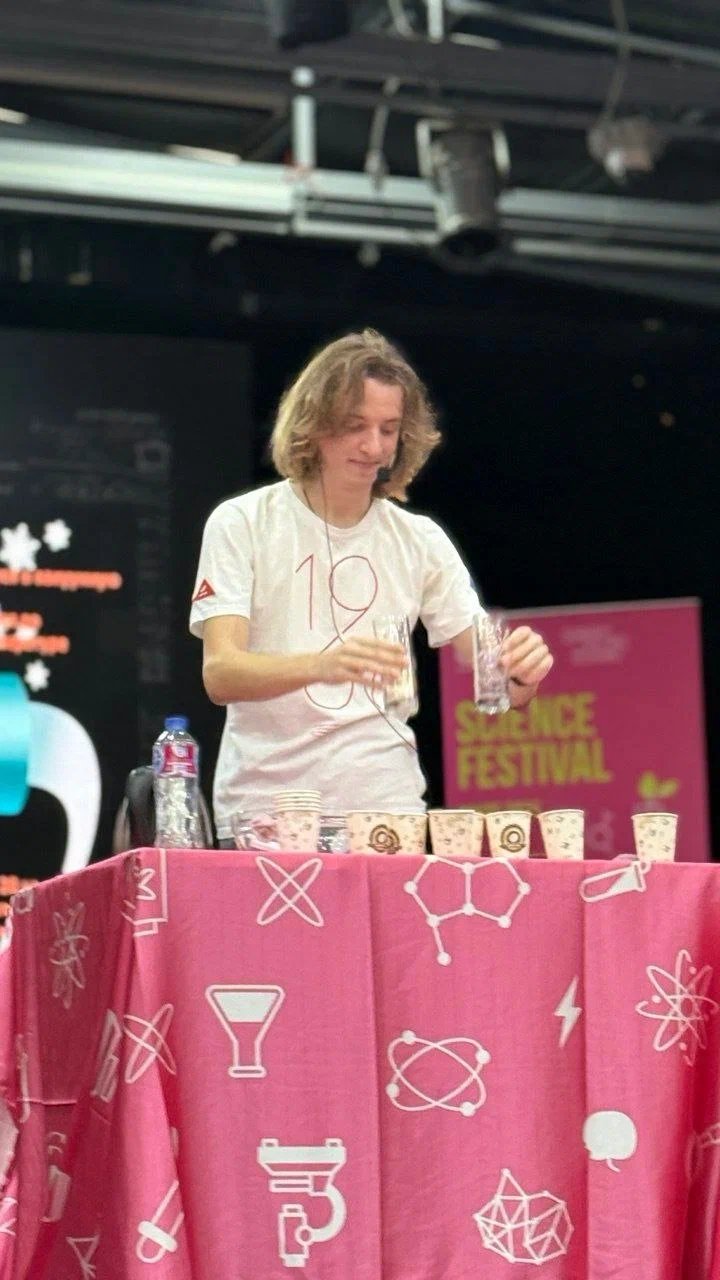
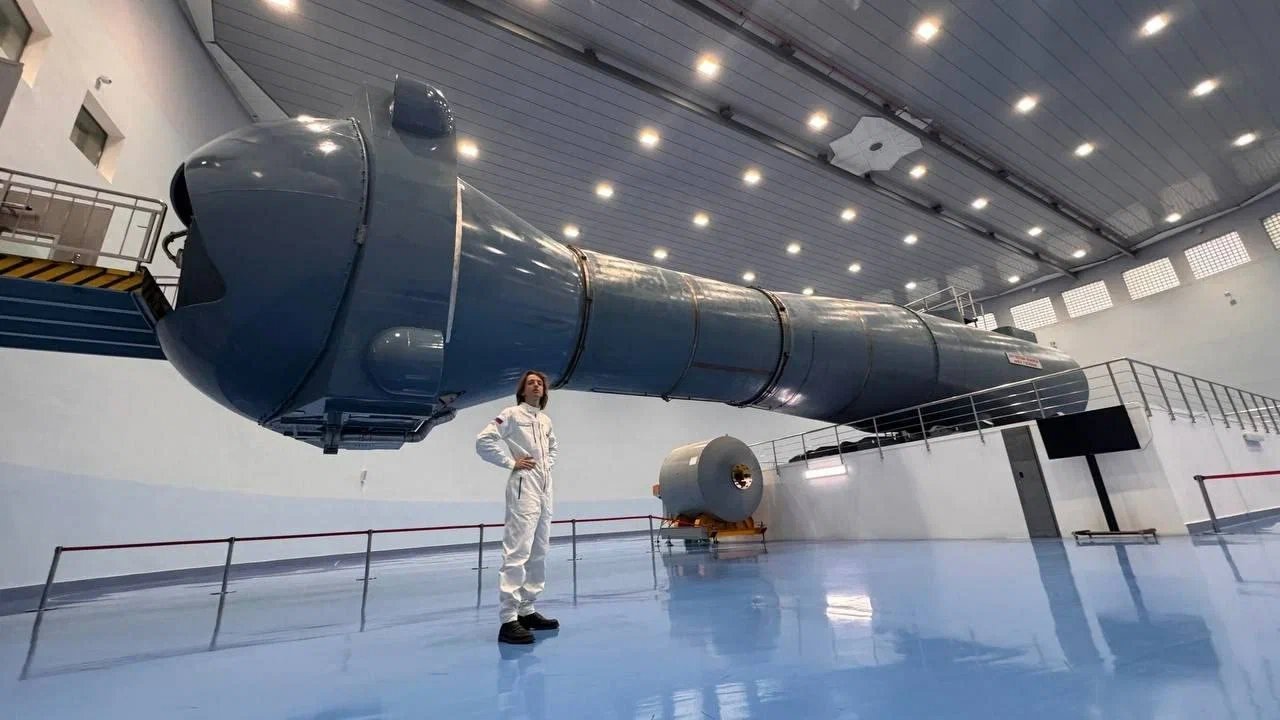
That is why I use plenty of visual and interactive material in my talks: videos, photographs from launches, sometimes simple experiments and, of course, I package some of it in a format young people understand — memes — so everyone can have a laugh and relax. Sometimes I tell personal stories — about taking part in launch preparations, what it felt like in a centrifuge or during simulated weightlessness. I constantly engage the audience by asking questions. There are actually many techniques, but I am not going to give away all my secrets. The key is genuine enthusiasm and never being dull. When you see their eyes light up, that is the best indicator.
When preparing to speak to audiences in different regions of Russia and abroad, what is your first consideration?
First and foremost, the audience and the regional context. When speaking to school pupils in a small town, I focus on inspiration and accessibility. In a major city, or with a technical audience, I go into greater depth on the technology and current projects, such as nuclear propulsion for Mars missions and satellite systems. Naturally, I also take account of age and prior knowledge.
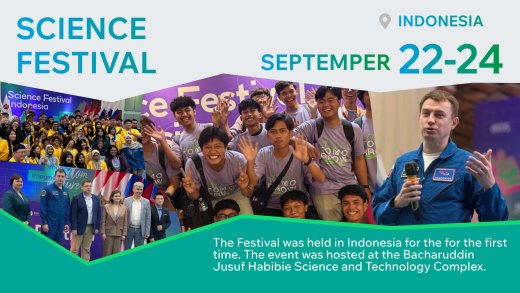
With adult audiences — and my talks attract many adults as well as school pupils and students — I take a more serious, in-depth approach. Local relevance matters: for example, how space technology helps monitor the environment in regions with volcanoes or forests, or how it relates to a local research or industrial enterprise. When speaking abroad, I consider cultural nuances: how to adapt humour and memes appropriately for English-speaking audiences, and I emphasise international co-operation. I always include the latest industry news — the space sector changes quickly.
Educational outreach projects are generally designed for the long term, and it can be difficult to measure the impact of a lecture in the here and now. Could you tell us about the most successful example — one that has stayed with you and that you are particularly proud of?
One of the most memorable examples for me was the work I did and the talks I gave in Kamchatka as part of science outreach and career guidance projects. The audience there is unique: school pupils living among volcanoes, where nature and science intertwine every day. We ran lectures and interactive sessions on space technologies used to monitor the Earth (Earth observation satellites), nuclear power for deep-space missions, and space hardware testing. We explained how challenging terrain, such as Kamchatka’s, can be used when preparing space hardware for flight.
It turned out that, after the talks, several young people became genuinely interested in engineering disciplines and projects. A couple of years later, they wrote to tell me that they had enrolled on engineering degree programmes at technical universities. Stories like these show that even a single meeting can inspire someone for years to come. I am proud of that, because Kamchatka is a region where science is especially vital to regional development.
What tools and approaches do you think businesses, non-profit organisations, corporations and experts will need in future to build a structured, sustained science communication programme and achieve tangible results in the medium term?
Today, science communication is not about one-off lectures; it is, or at least should be, a structured, sustained programme. Key tools and approaches could include hybrid formats: combining in-person lectures with online courses, VR/AR simulations (a flight to Mars or assembling a satellite), podcasts and short-form content for TikTok or Telegram.
Another option is to discuss real corporate case studies — from Rosatom and Roscosmos, for example — instead of relying on dry theory. To reiterate: it is less important to explain how a rocket is built than to leave people with a vivid image and an impression that stays with them for years. We need to continue strengthening the links between businesses, non-profit organisations, schools and universities. Corporations can provide real-world data and equipment, while experts can contribute first-hand stories. Of course, what is lacking is consistent funding and impact assessment: many projects are one-offs. That is why examples in which science communication develops into a sustainable system are especially valuable. What I particularly like about ANO Energy of the Future’s long-term science communication model is its systematic approach.
Examples like this show how science communication can be delivered effectively and what tools and connections need to be developed if we are thinking a generation ahead. We need platforms for sharing best practice, speaker training that combines teaching skills with scientific expertise, and integration with government programmes. The ultimate goal is not simply to inform people, but to cultivate a way of thinking marked by curiosity, an engineering mindset and a sense of being part of a greater future. If we achieve that, in 10–20 years’ time we will have a generation ready to tackle global challenges.
Photo gallery