Mathematics, Physics and Chemistry Olympiad
Project challenges
Sustaining the client’s reputation as a socially responsible company that supports science education and engineering thinking among school pupils and university students required a clear, transparent engagement model across countries.
Key challenges:
-
creating a single Olympiad model adaptable to countries with different levels of educational attainment and infrastructure;
-
preparing high-quality tasks while maintaining a clear and transparent selection process;
-
adapting the content and teaching materials to national educational contexts;
-
maintaining high organisational standards for Olympiad events in regional settings.
Implementation
-
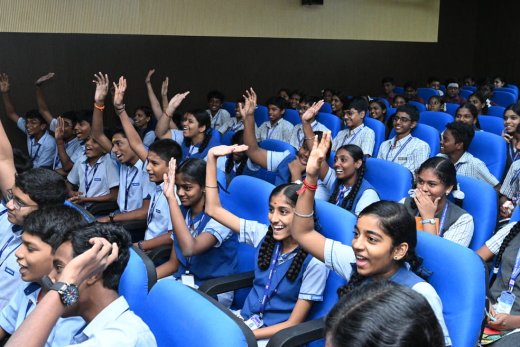
We established a unified Olympiad model comprising qualifying rounds and a final stage for school pupils and university students.
-
We worked with lecturers from leading Russian universities to develop mathematics, physics and chemistry problems tailored to participants’ different levels of preparation across the host countries.
-
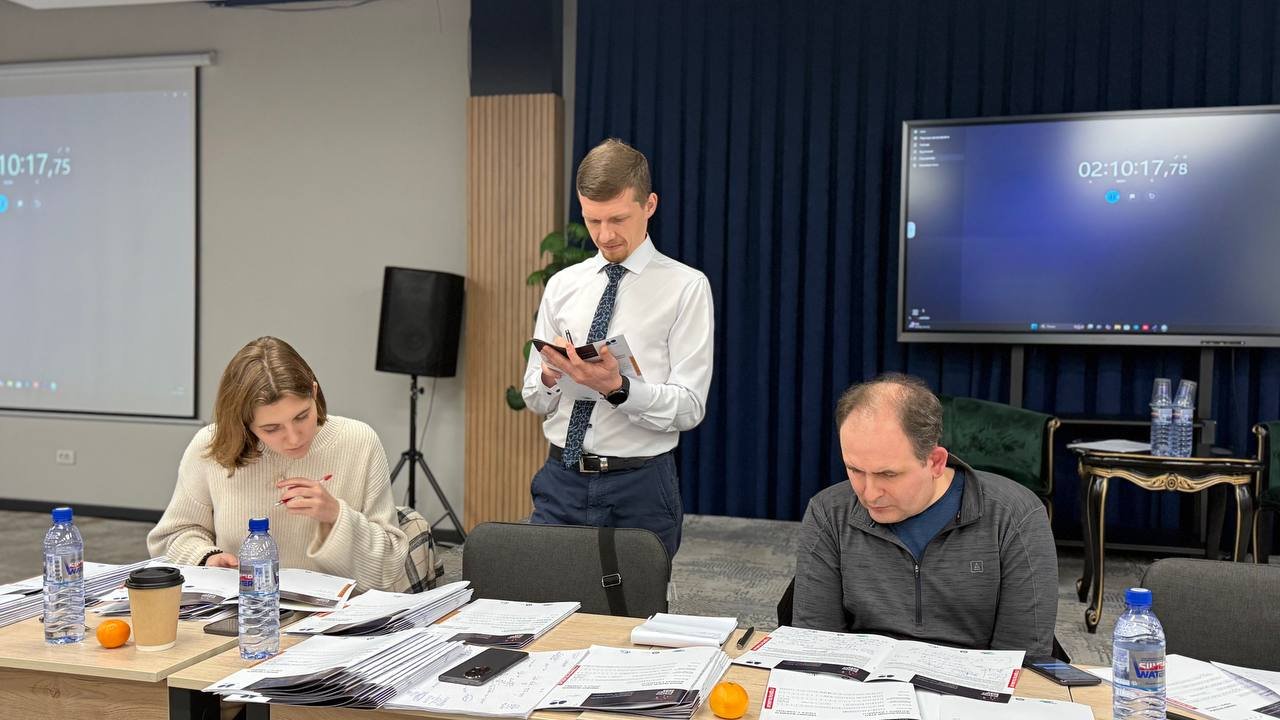
We organised the Olympiad stages, including the marking of submissions and the selection of winners.
-
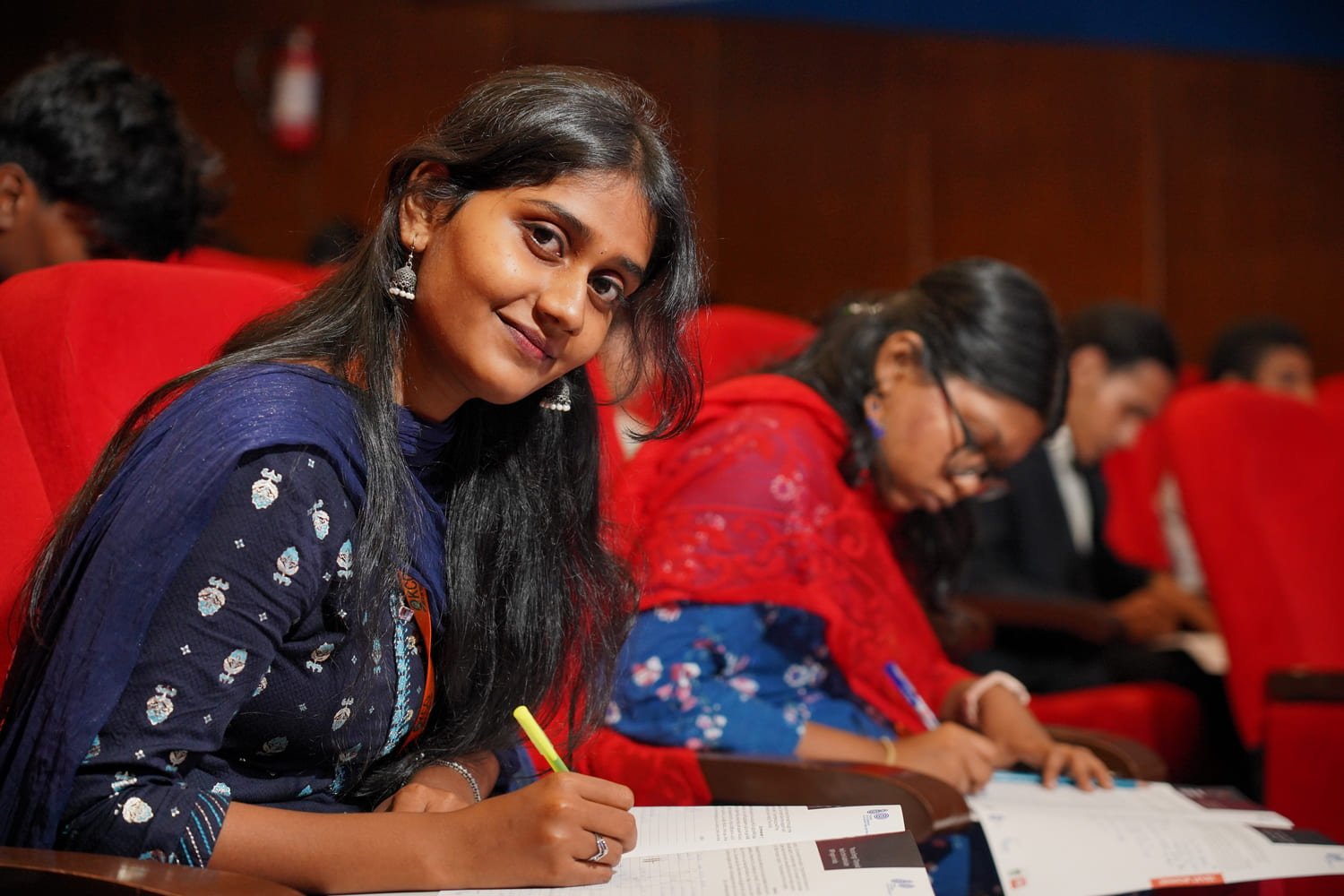
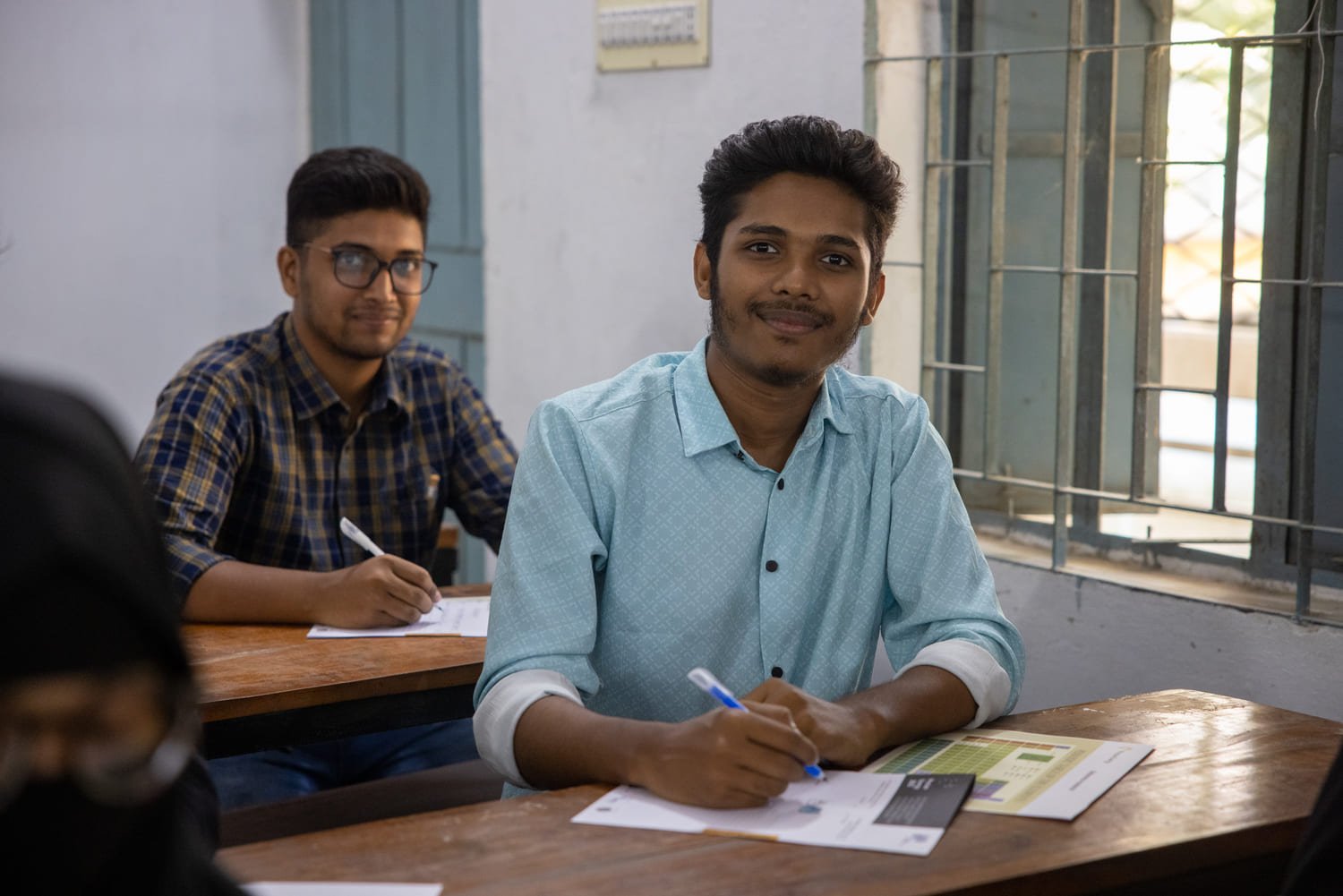
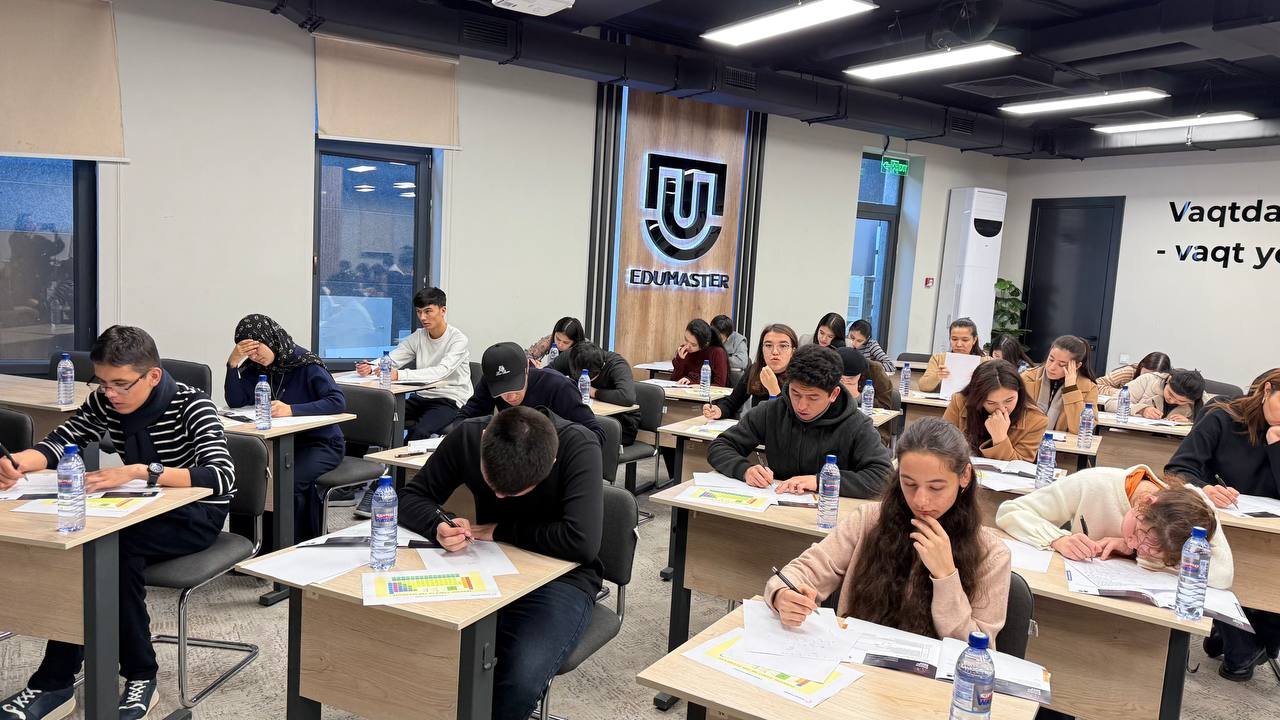
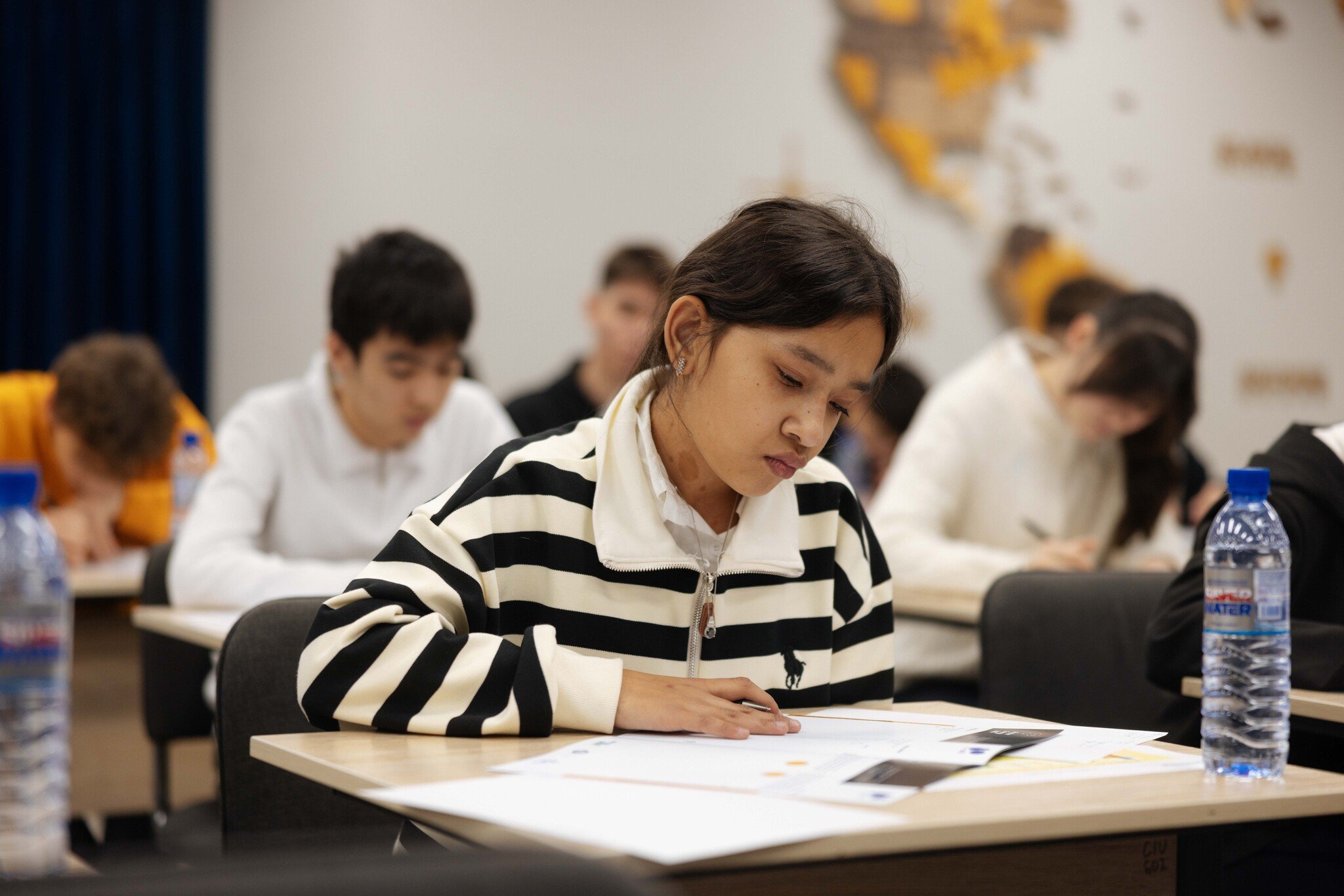
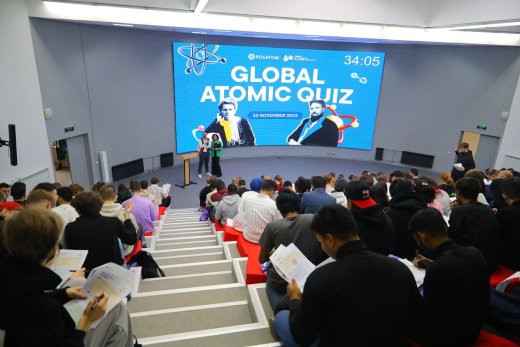
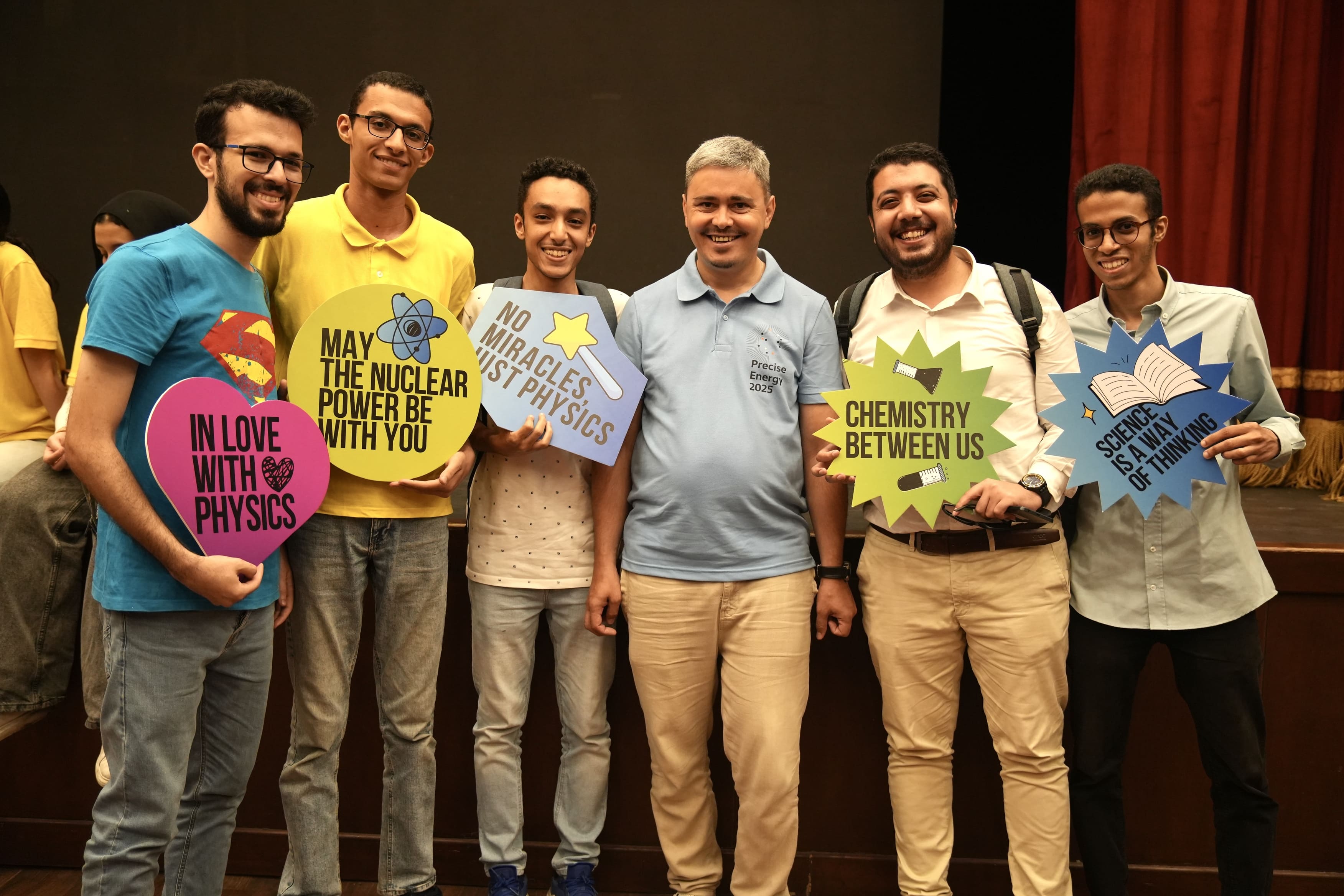
The Olympiad final lasted three days: school pupils completed a single interdisciplinary test, while university students competed in individual subjects.
-
Before the Olympiads, we organised educational lectures for participants.
-
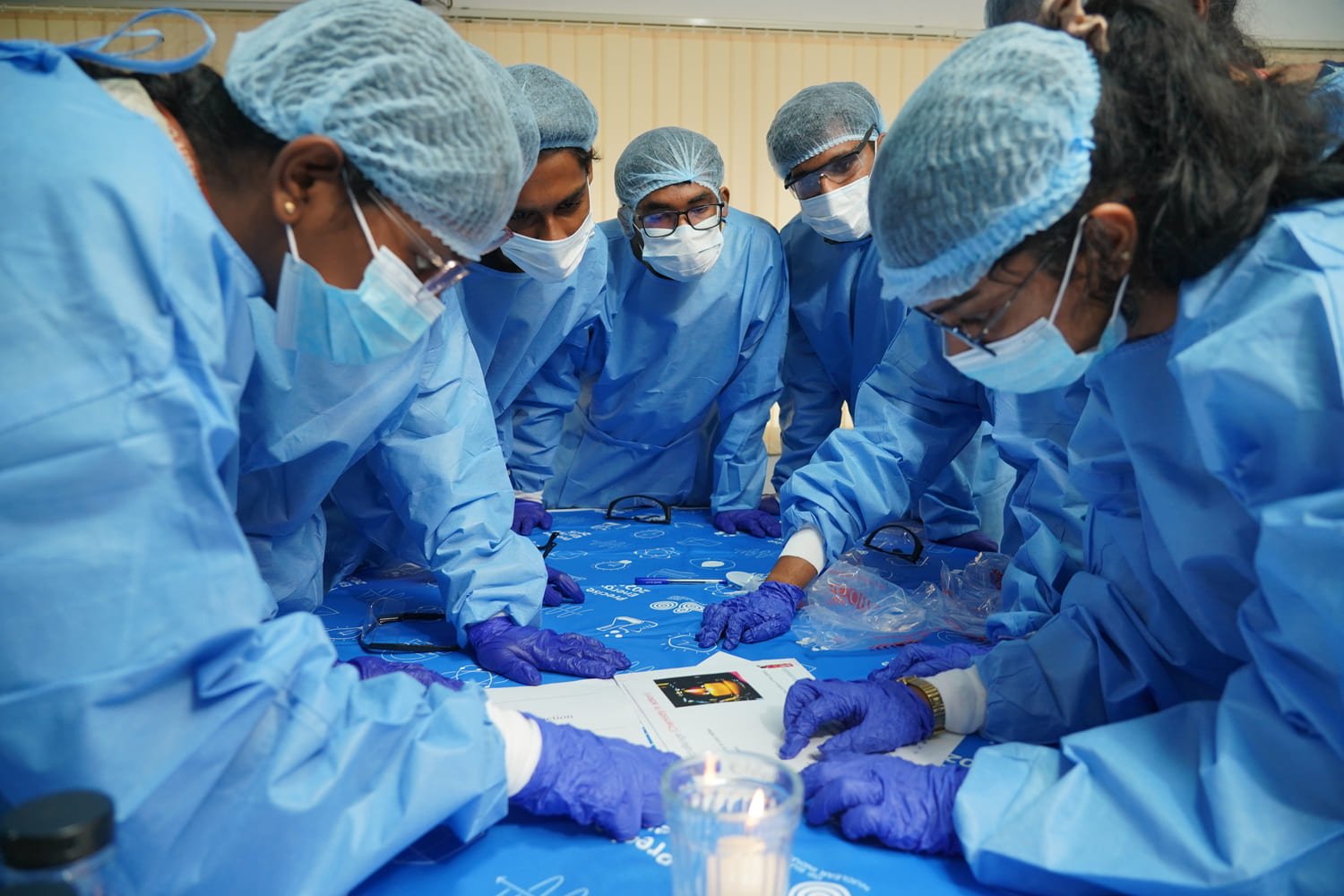
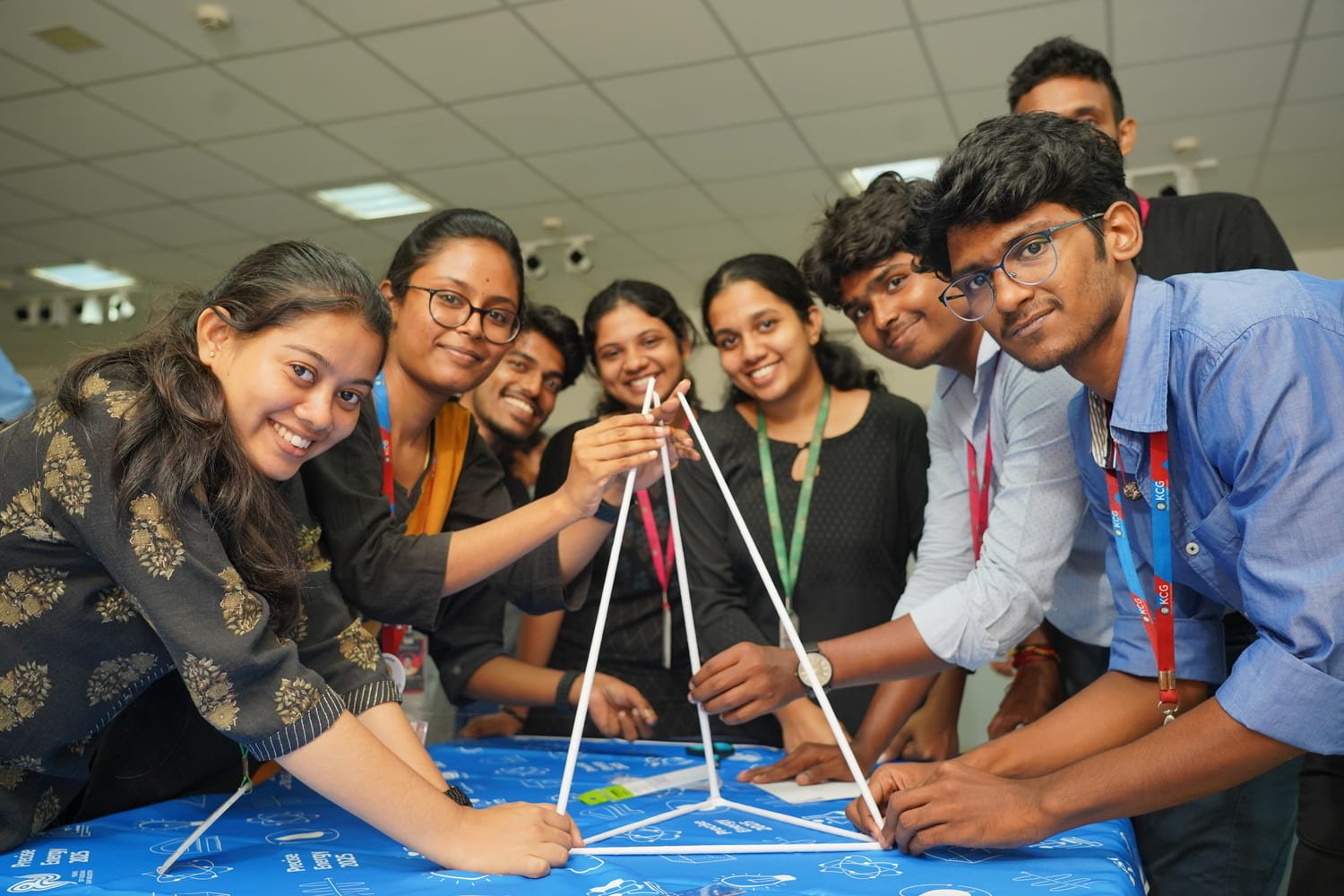
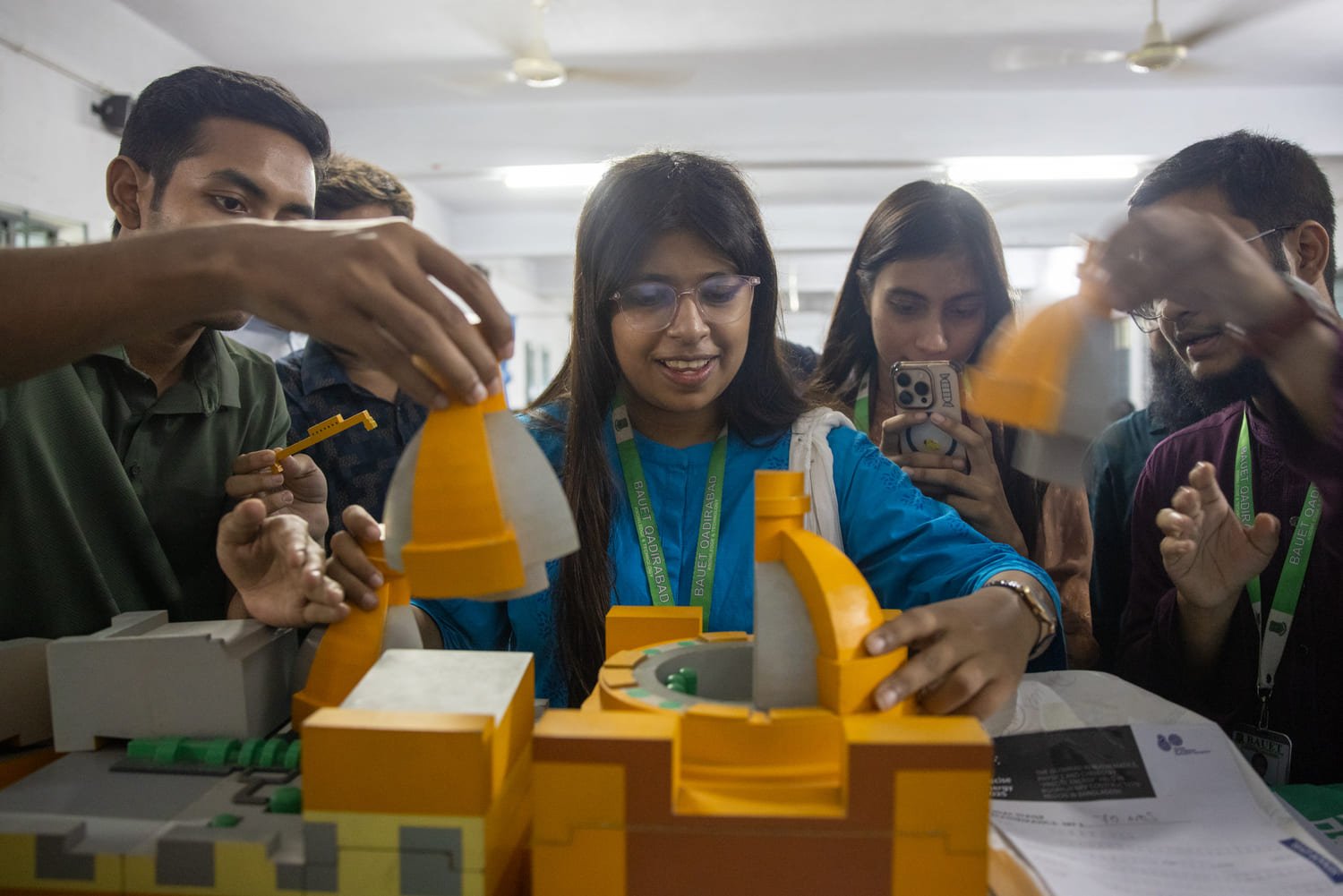
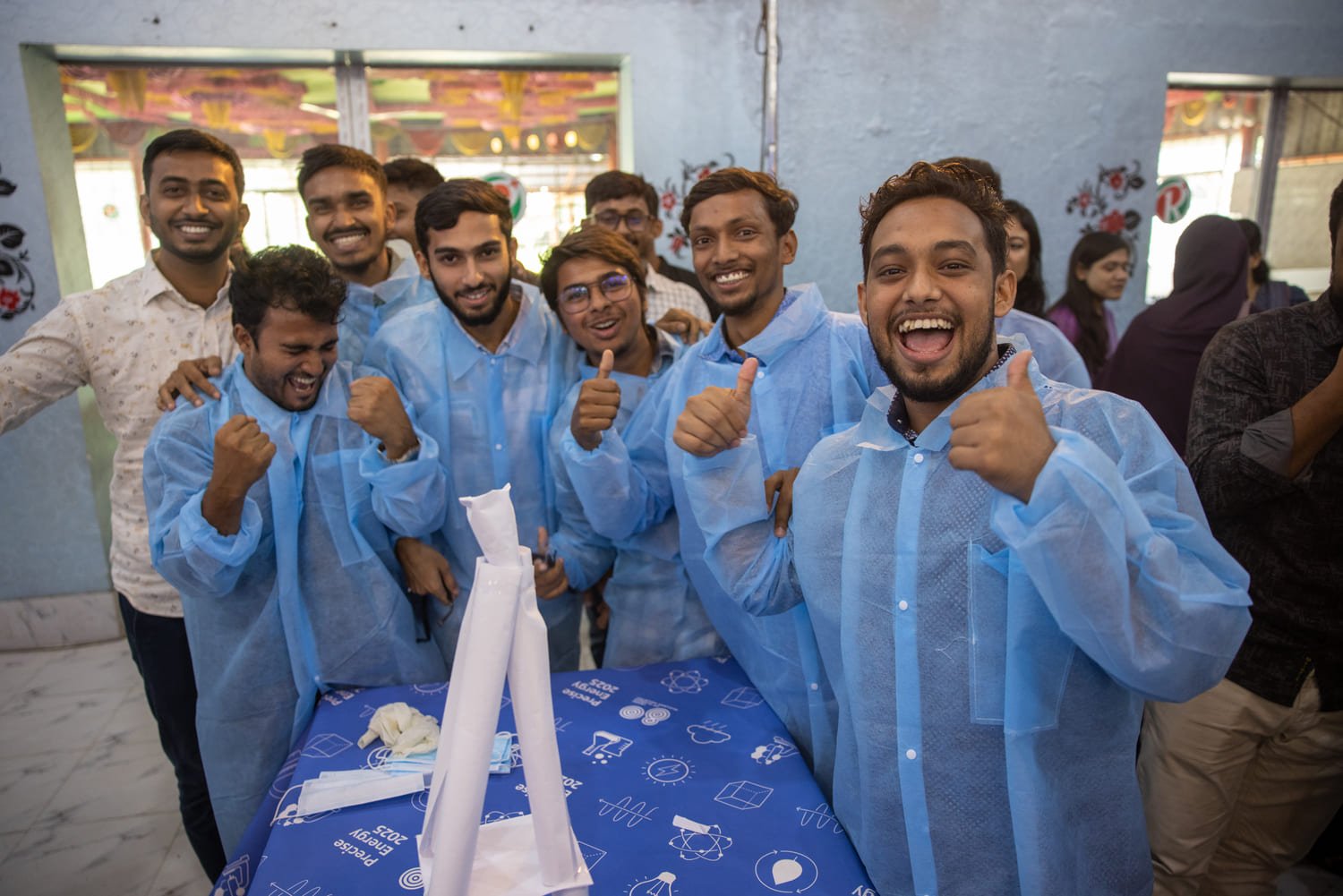
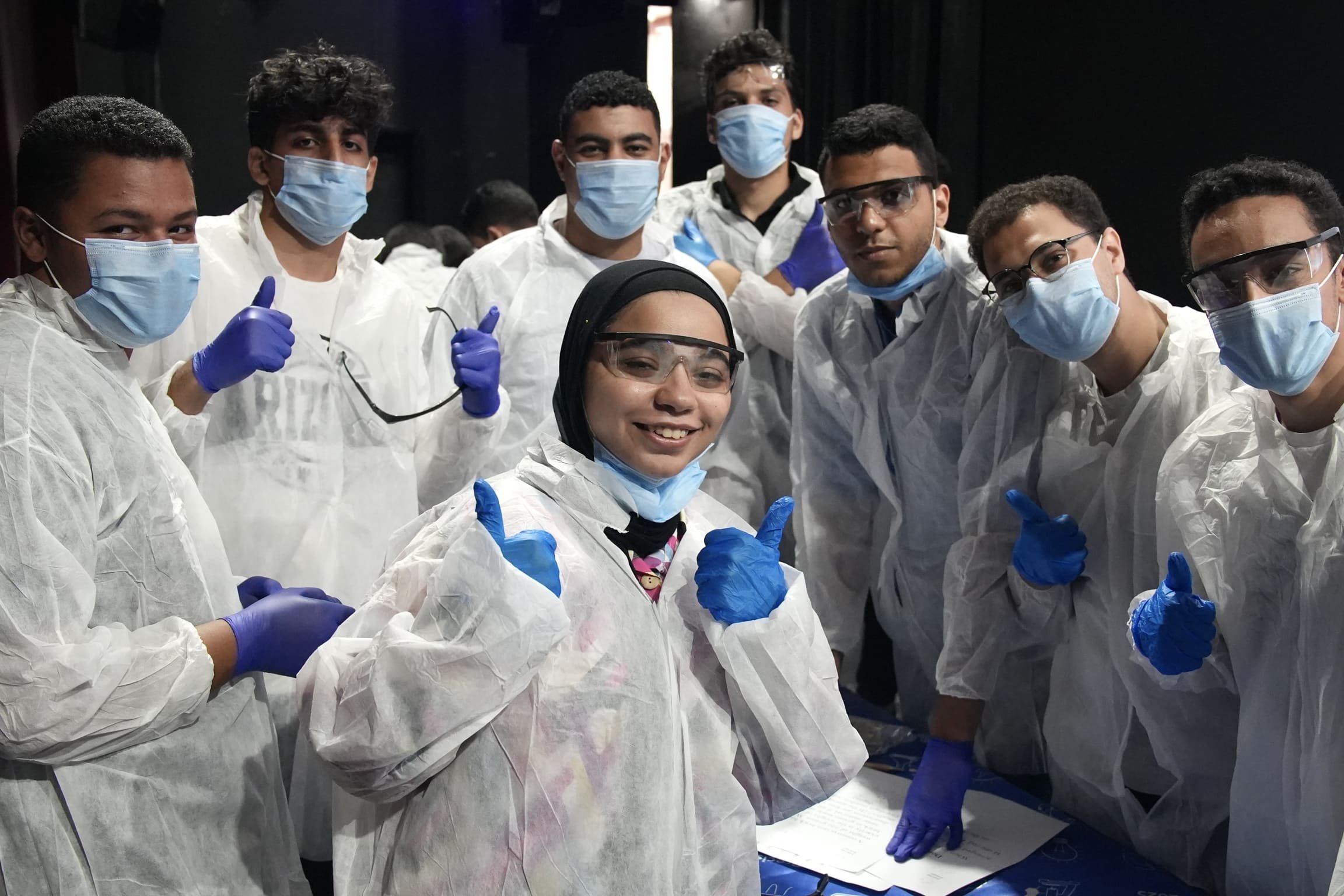
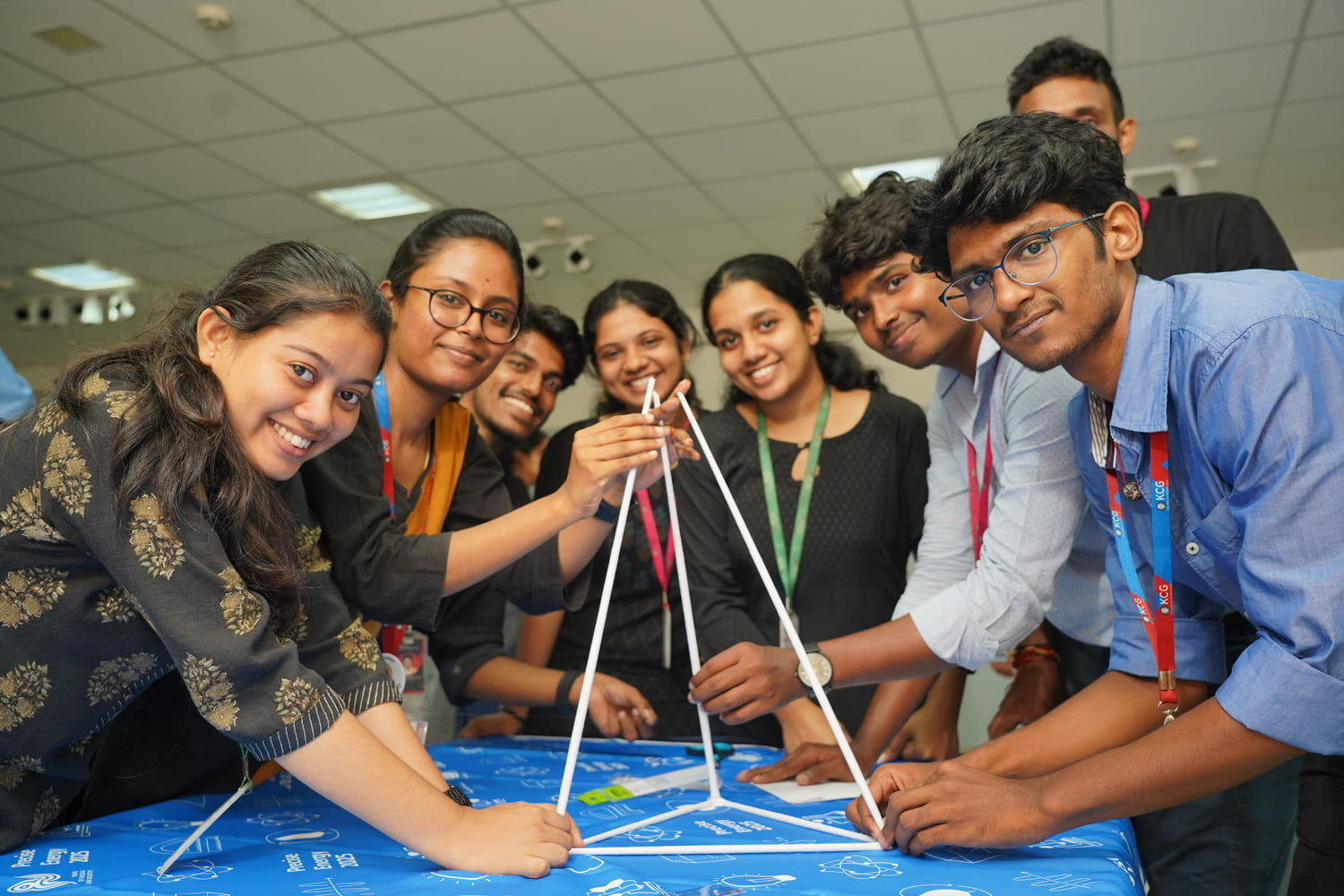
On the final day, we held an engineering design competition in which student teams completed practical tasks and carried out experiments.
-
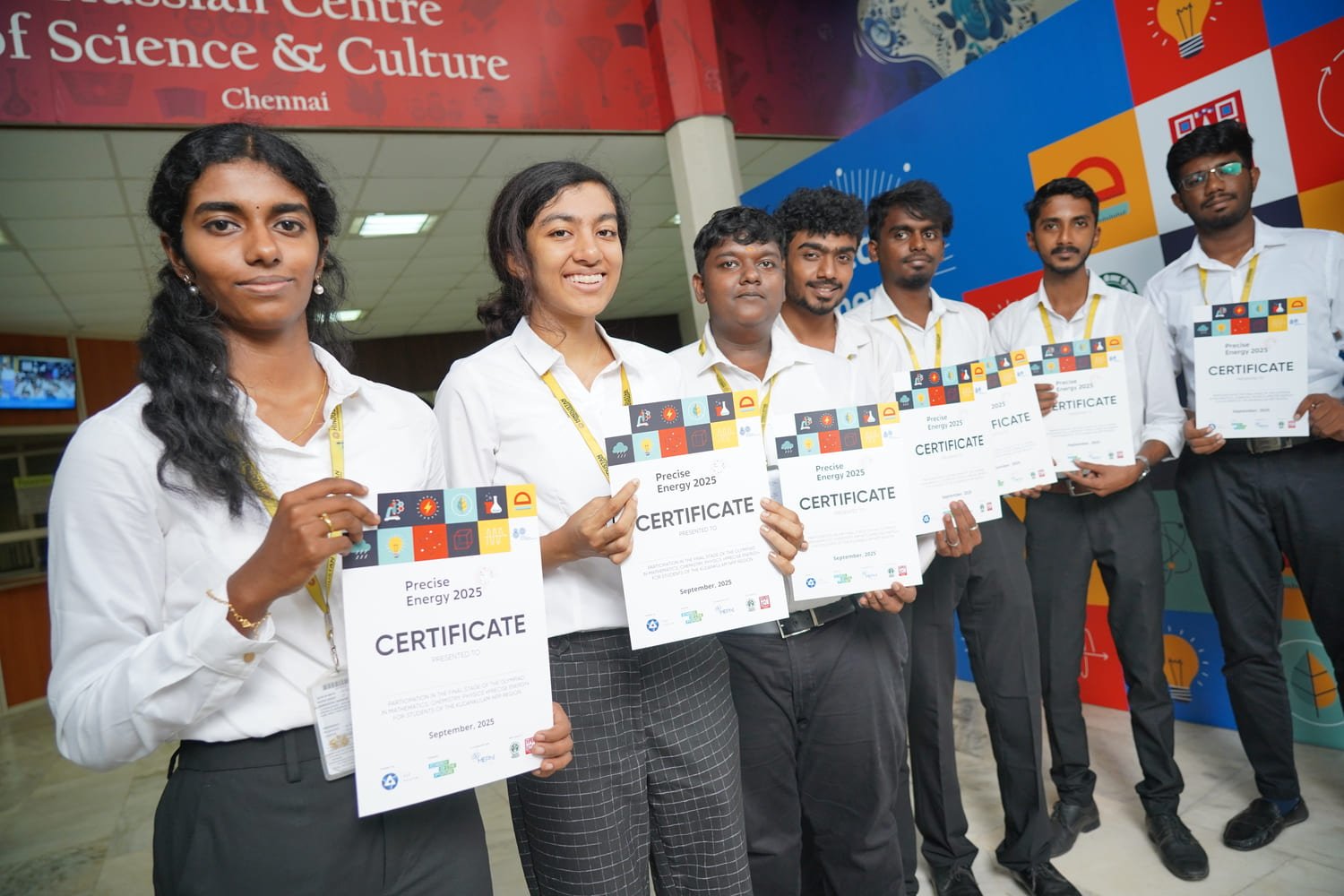
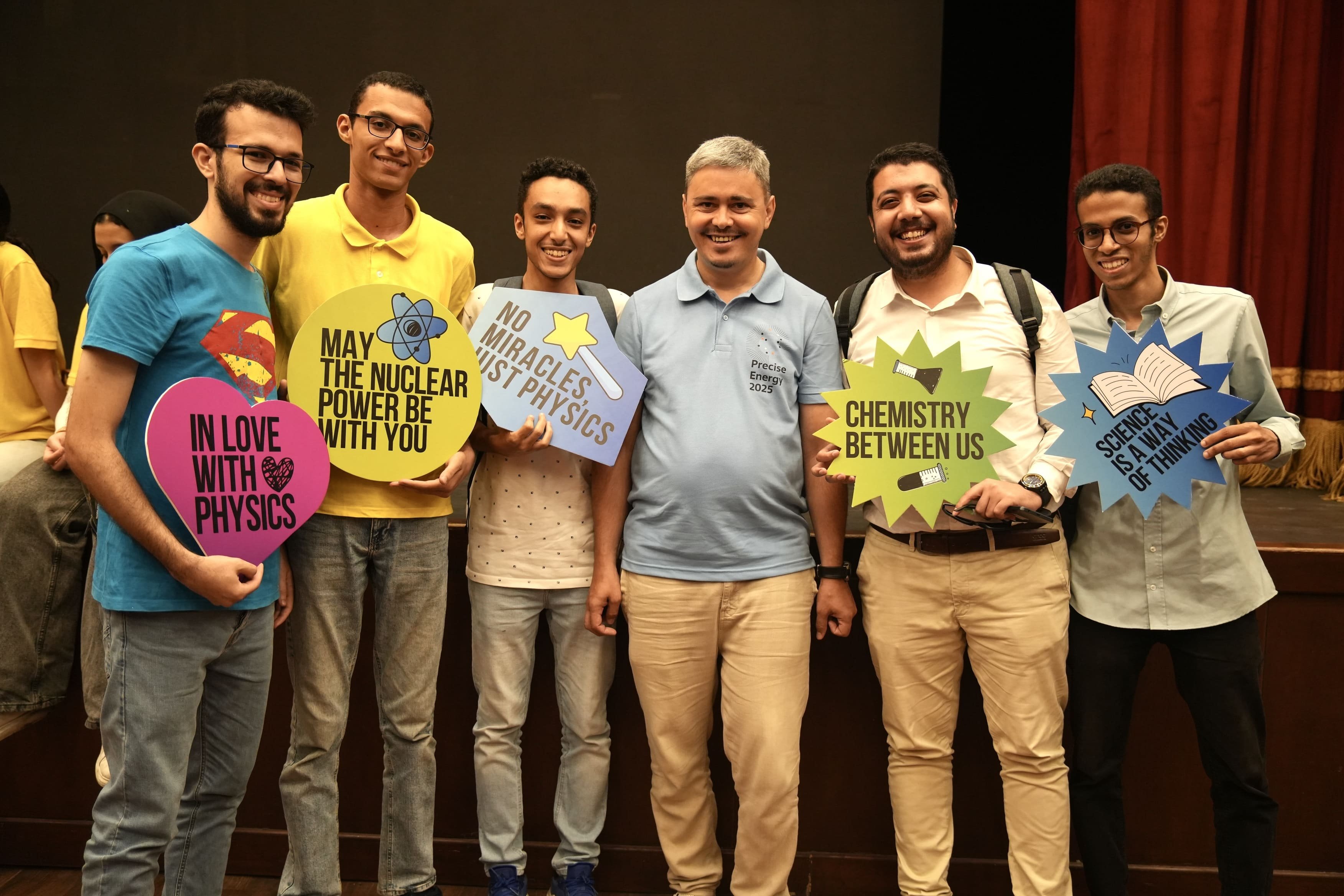
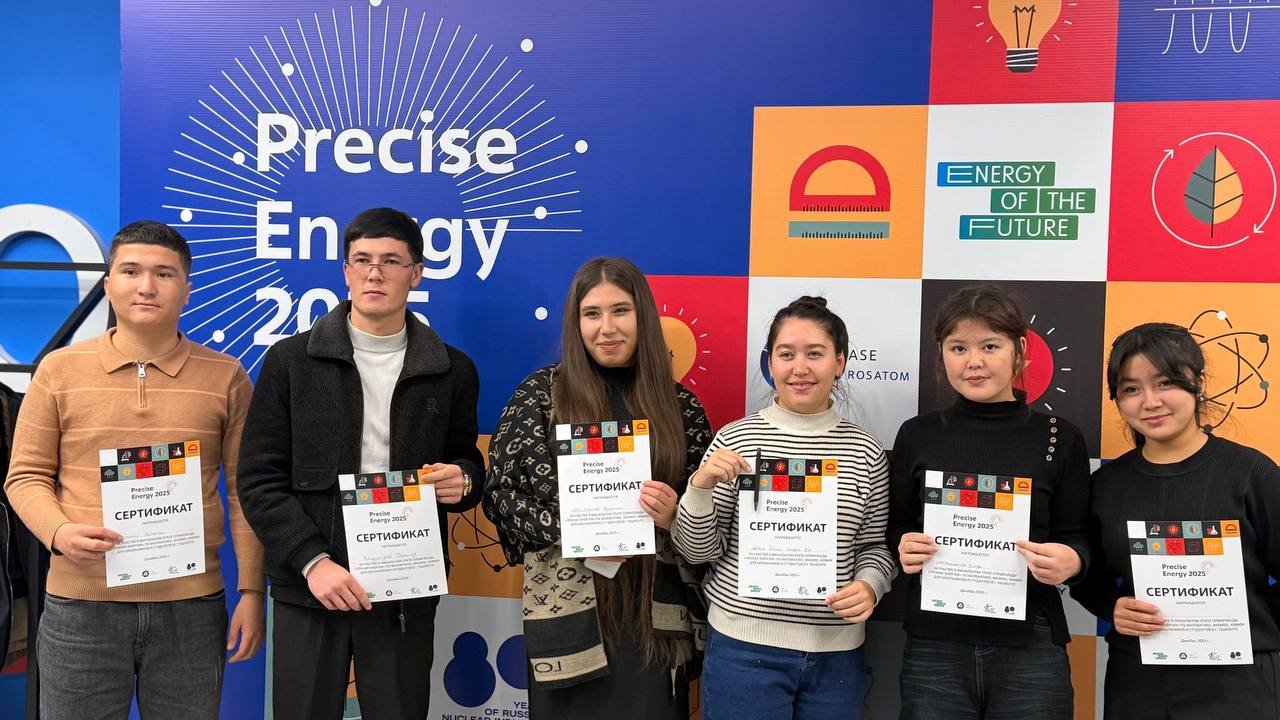
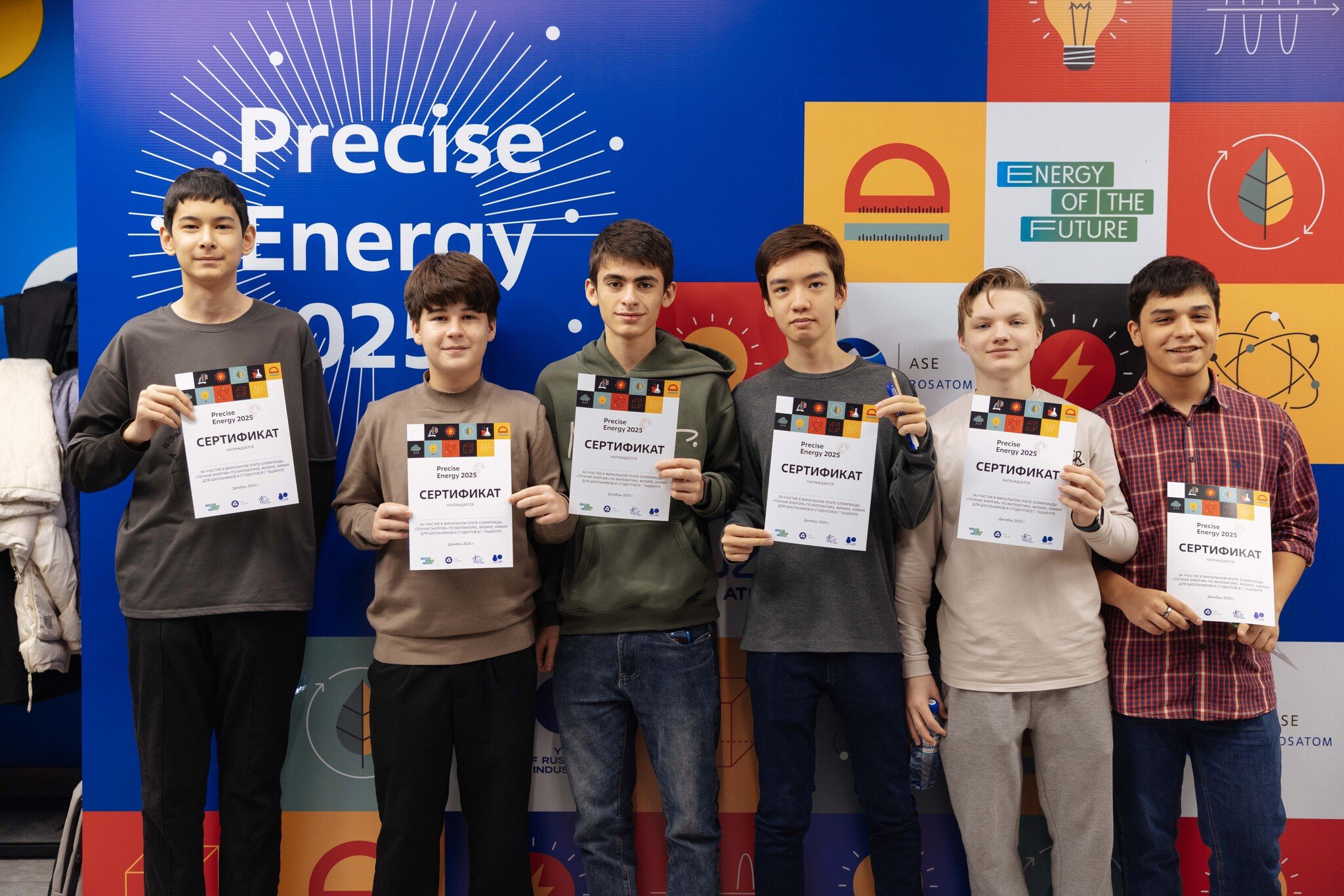
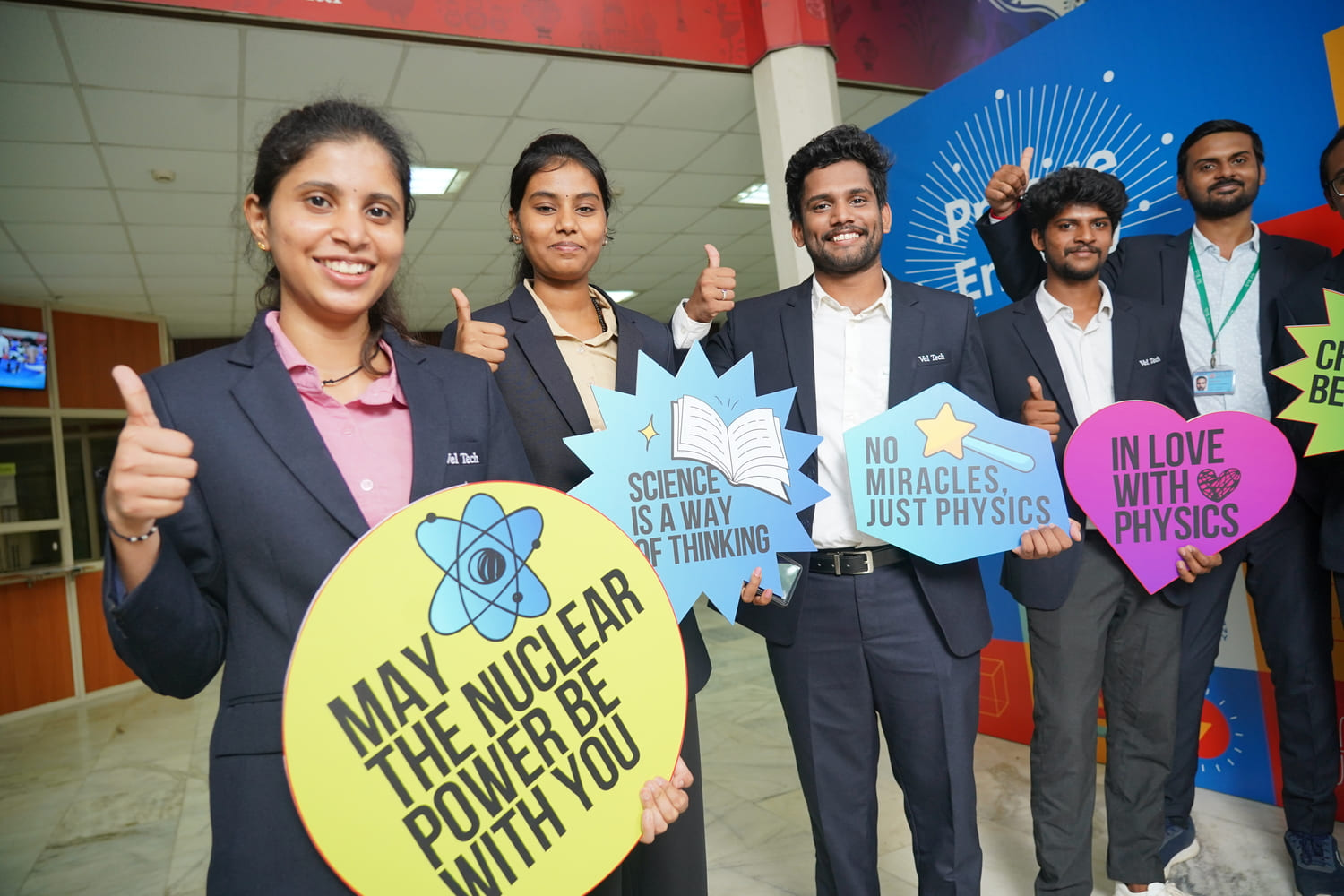
We concluded the programme with an awards ceremony honouring three winners in each discipline.
Results
-
More than 18,000 people took part, making the Olympiad a prominent event on the educational agenda of the host countries.
-
180 educational institutions held the qualifying rounds, giving the project a strong presence in local educational communities.
-
The project strengthened Russia’s positive image as a country that invests in science, technology and engineering education for young people.
-
It also enhanced the standing of Russian technologies and specialist companies among young people abroad and their wider circles, including teachers, parents and local partners.
-
The project created a platform for future communication and educational initiatives based on the now recognisable Olympiad model.
Фотогалерея